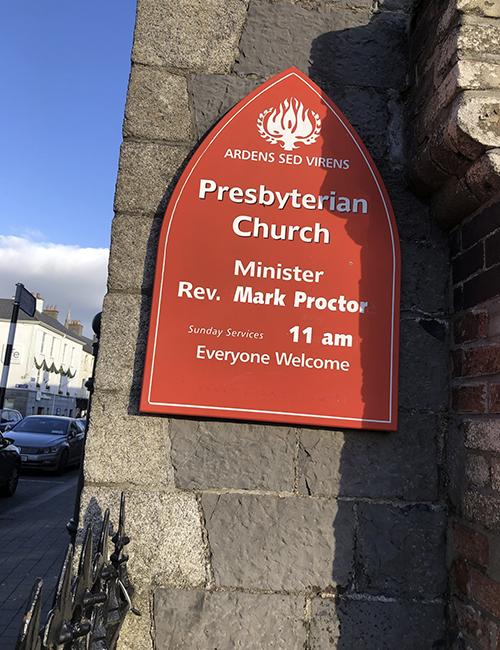

Historic Naas

Naas of the Kings
Historic Timeline: Year 134 AD The Gaelic (Riogh Tir Laighean) or kings of Leinster were assembling at the Moate;1210, Parliament convened by King john;about this time Kildare became a separate county. 1212 Saint David.s castle.&church (Anglo Norman), ordered built by King John , ( Dublin castle, (Anglo Norman) 1202. ;1632 Thomas Wentworth was preparing Jigginstown House. for a visit by King Charles but
instead .’Wentworth was executed in London by the same king
During the thirteenth and fourteenth centuries the town became a Norman stronghold. In 1409 Henry IV granted to Naas its first charter as a Corporation and a few years later it was given power to collect tolls at all the entrances to the town, the moneys to go towards fortifying the town with walls and gates.
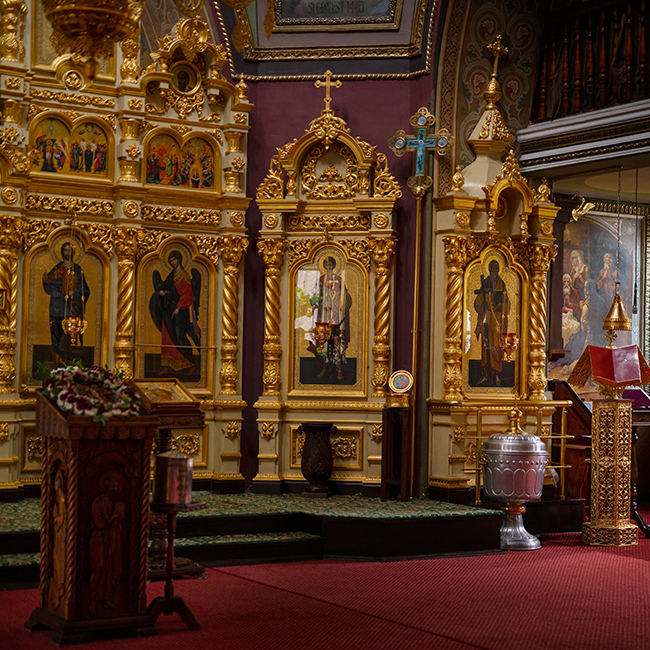
King John’s Castle is the last surviving example of the many fortified houses in the town of Naas, It is a large building of three stories, it comprises a tower, with a winding stone staircase, a dungeon, a Dining room on the ground floor, and an equally large Drawing room on the first floor. There is a variety of large and smaller rooms throughout the castle. An underground tunnel leads from the castle in the direction of the North Moat.
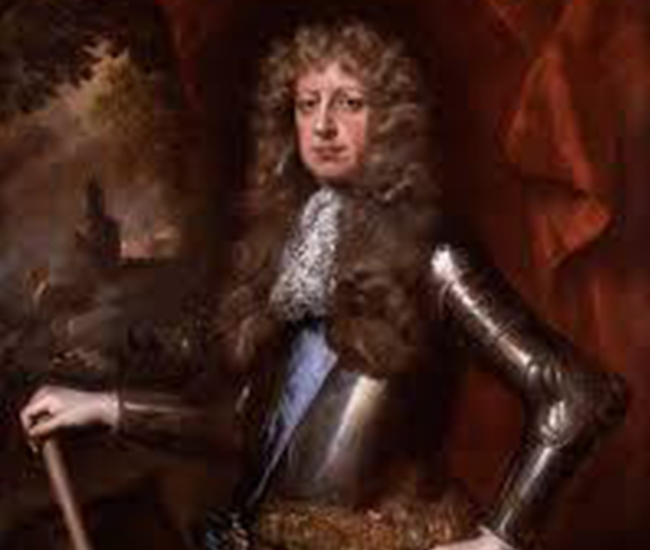
Thomas Burgh Portrait
Thomas Burgh,Burgh (1670–17
Thomas Burgh (1670–1730)
Surveyor General of Ireland ,&M,.P. for Naas(1700–
1730)
designed a number of the large number of public buildings of including the old CustomHouse (1704–6), TrinityCollege Library(1712–33), Dr Steevens’ hospital(1719), the Belfast Linen Hall(1722), and the Royal Barracks (1701
Burgh was the son of Rt Revd. Ulysses Burgh 1692) of Drumkeen, County Limerick, who was Dean of Emly and later Bishopof Ardagh.[1] His mother was Mary, daughter of William Kingsmill of Ballibeg, County Cork. His brothers, Richard Burgh of Dromkeen and Drumrusk and William Burgh of Bert House, Athy, were both Members of the Irish Parliament Thomas was educated at Delany’s school in Dublin, and Trinity College, Dublin, where he matriculated on 22 November 1685 and left without taking a degree.[2] Prior to the outbreak of the 1688 wars he is likely to have left Ireland for London with his father. He returned to Ireland in the army of King William III, as a lieutenant in Lord Lovelace’s Regiment of Foot, and served at the Siege of Limerick.[3] This may have been followed by a brief spell in the Irish Engineers from 1691. In any case, de Burgh was commissioned as a Captain in 1692 in the Royal Regiment of Foot. In this capacity, he served in the Low Countriesat the Battles of Steenkerke (1692) and Landen (1693), and as an engineer at the siege ofNamur (1695). During this time, he absorbed the ideas of the Dutch engineer Menno van Coehoorn (1641–1740).[3] In 1697, he became Third Engineer on the Irish establishment. 700, Burgh replaced the Surveyor General of Ireland, William Robinson , and, one year later, also became Barracks Overseer in Ireland. Under his command, the building of barracks was expanded and the rebuilding of Dublin Castle (begun under Robinson) was completed. Chapelizod House and Chichester House in Dublin were repaired as well as numerous coastal fortifications. well as a Colonel of the Engineers (Lieutenant-Colonel, 11 April 1706), Burgh held a Captain’s commission in Brasier’s Regiment of Foot from 1707 to 1714.
Public life 1704, Burgh was admitted as a chairman of the city of Dublin in recognition of his work in enriching Dublin’s architecture. He was later admitted to the Dublin Philosophical Society. He served as Member of Parliament for Naas from 1713 to 1730 and as a government minister. He was appointed High Sherriff of Kildare in 1712, Governor of the Royal hospital Kilmainham in 1707 and served as a Trustee of Dr. Steevens hospital from 1717 to 1730.
From 1705 to 1714, he was Lieutenant-General of the Ordnance for Ireland,[3] an appointment which (held with that of Surveyor General) made him the most influential officer in the Irish Board of Ordnance. In this role, he was responsible for overseeing the construction and renovation of all military buildings in Ireland as well as other public works. De Burgh had his commission successively renewed over the 27 years following his Burgh was responsible for the design of several public buildings in Dublin:
- The Customs House . (1704–6), (superseded by James Gandons’ Customs House in 1791 further downriver)
- Trinity College Library (1712–33) and Anatomy House (1711-12), both on the campus of Trinity College
- Dr, Stwwvwn’s hospital (1719–33)
- Linen Hall (1722)
- Royal Barracks (1701 onwards)
- The Armoury, Dublin Castle after
appointment as Surveyor General in 1700. h 30Member of Parliament for Naas( 1713 to 1730 Surveyor General for
he was also responsible for the building of several churches, including St. Mary’s church in Dublin 1 (now a Popular Café Bar and Restaurant) and St. Werburghs (1715). He is known to have built a number of private houses, most of which no longer exist, including the O’Brien family house at Dromoland, Ciunty Clare, in about 1719.
His own country house at Oldtown near Naas County Kildare , was the only building into which he introduced Palladian ideas. He acquired the land in 1696 and the house was built thirteen years later. His architectural style was otherwise “restrained” and notable mainly for massing on different planes, using a central five-bay front crowned by a large pediment, and arcading on the ground floor. Oldtown remained the family home, although a fire destroyed the original main house and a wing in the 1950s He also designed Kildrought House in nearby Celbridge
He worked on several engineering projects, including improvements to Dublin Harbour and the proposed Newry canal although this was not built until after his death.[3] Burgh published a pamphlet entitled “A method to determine the areas of right-lined figures universally, very useful for ascertaining the contents of any survey” (Dublin, 1724).
In 1728 Burgh lost the commission to build the new Parliament House in Dublin to Edward Lovett Pearse (1699–1733), who succeeded de Burgh as Surveyor General on his death, after an illness, in 1730
Burgh was married to Mary, a daughter of Rt RevWilliam Smyth, BishopKilmore, on 10 July 1700. They had five sons and four daughters. His townhouse was in Dawson Street(now rebuilt) and his country estate was at Oldtown in County Kildare . He also owned lucrative collieries in Co. Antrim
- Portrait: Courtesy Office of Public Works, Royal Hospital Kilmainham, designed by several important architects,William Robinson, Thomas Burgh, and Francis Johnson
Further Burghs:
Colonel de Burgh (1851-1931) Proposer in 1909 of Joseph Boyle for position, Naas Town Clerk, , Richard’s path crossedewith that of he Major , so the Boyles of Naas moved in the uoper echelons of Naas Society , particularly Colonel Thomas John de Burgh (1851–1931), involved in the Boer War, and his sons, like General Sir Eric de Burgh, a distinguished Indian Army officer, and Captain Charles de Burgh, a pioneer of the British submarine service, all connected to Kildare’s gentry and military history, with their ancestral estate at Oldtown.Sallins Road, Naas.
Key Figures & Connections:
- Major de Burgh(1921-2010)
Ireland,
1700–17 descendant Colonel Burgh, proposed Joe Boyle for Town Clerk. (book page -1-There is a Thomas Burgh Portrait painting in possession of the OP.W. at the Royal Hospital, Kilmainham. The W.E. Vaughn volume with excellent contemporary image of the library is
year 2012, in commemoration of 200 years since the Burgh creation of 1712, it bears as well as an excellent Library period image, therein he describes the library as the “most magnificent room in Ireland”, all duly included in “The Boyles of Naas, Second edition. sat page 74
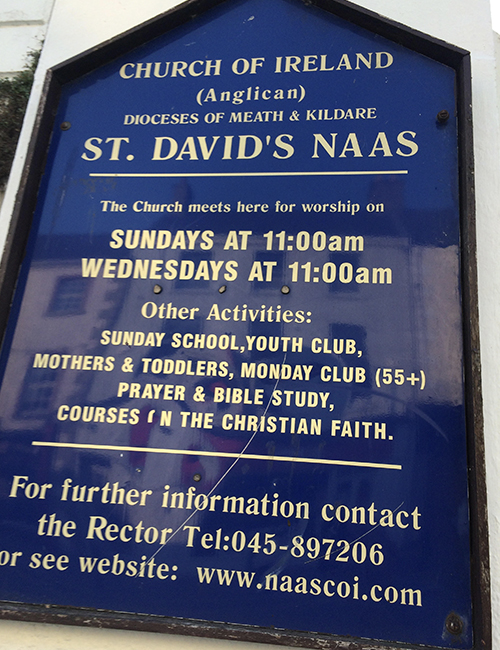
Saint David’s Church (1212)
Page 36 of the book
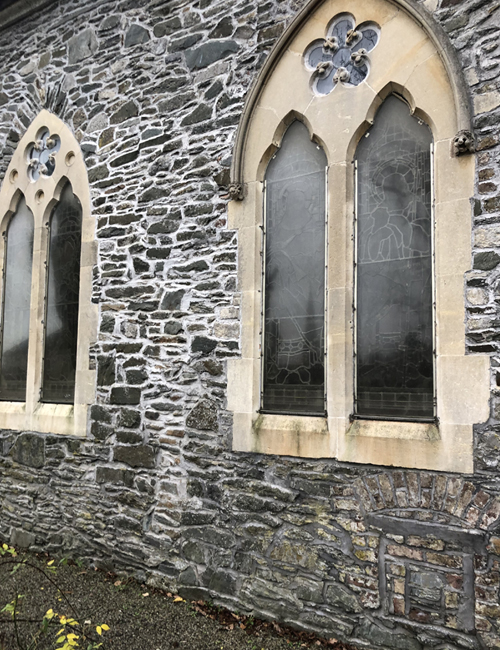

Presbyterian church (1865-1870)
Page 59 of the book